

Tendons · 2 min
Tendinopathy: load, pain and recovery
Understanding tendon symptoms and why recovery requires progressive, carefully managed loading.
Read the insightPhysiotherapy for
The ankle and foot must adapt to very different loads. We assess mobility, stability and the ability to absorb and produce force.
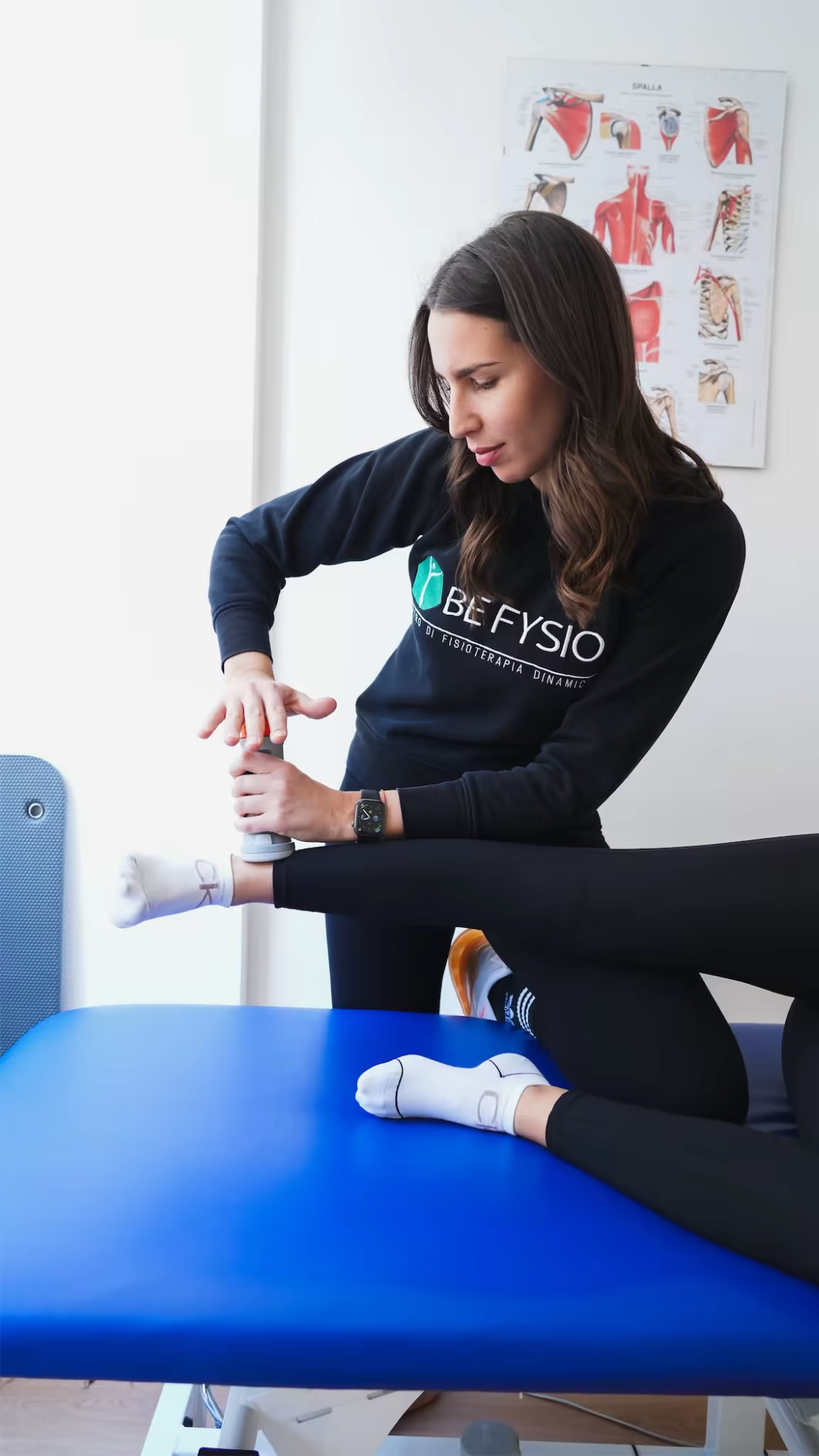
Understanding the problem
The ankle and foot absorb energy and produce force with every step. Pain or injuries in this area can affect how we move. That is why we work on mobility, muscle capacity and balance.
The pathway includes exercises that prepare you for the loads of real activities: walking, standing, running, jumping and changing direction. For a return to sport, we gradually increase exercise speed and complexity, always monitoring the response to load in the hours that follow.
When it may help
These examples provide orientation but do not replace an individual healthcare assessment.
Physiotherapy may be appropriate for the conditions listed below. Assessment determines whether and how it can help; after trauma or surgery, the pathway follows the medical specialist’s guidance.
How we work
During your assessment
Concrete goals
Frequently asked questions
Not always. Mobility, strength, balance and load tolerance may still require progression after pain has reduced.
It depends on the stage, activity and individual picture. When useful, support is considered alongside active rehabilitation rather than as the only solution.
Return is more appropriate when walking, strength and control are adequate and the ankle tolerates progressive load without an excessive reaction.
Following major trauma, with visible deformity, inability to bear weight, a very hot swollen joint with fever, or sudden loss of strength or sensation, seek prompt advice from a healthcare professional.
The first step